
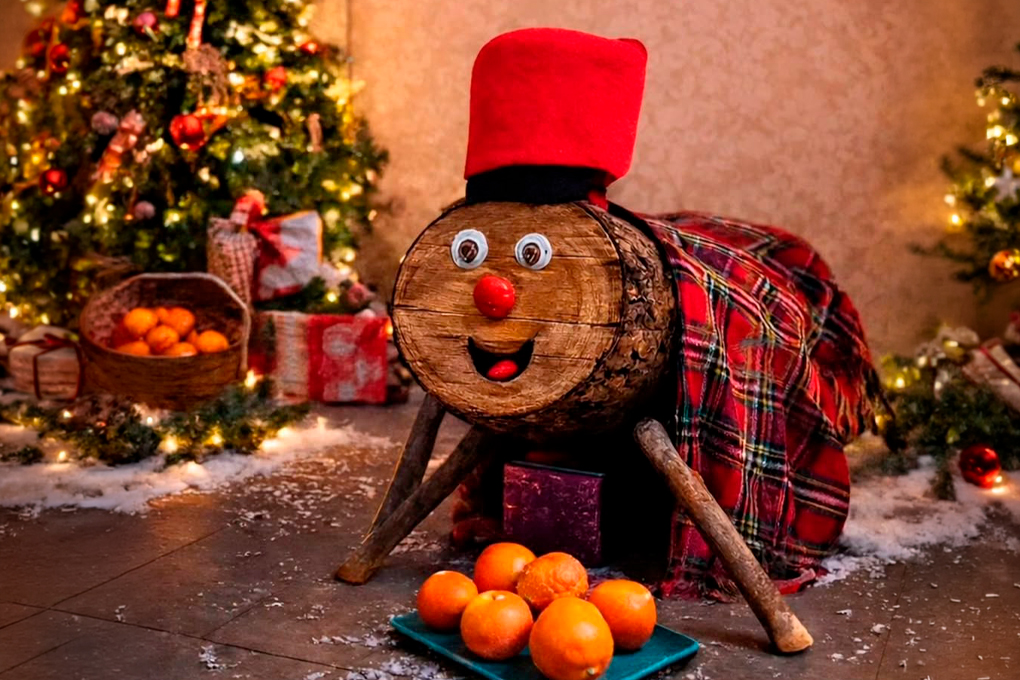
There are two ways to experience Christmas in Barcelona. The first is the tourist version: a quick walk down the lights of Passeig de Gràcia, a photo at the Christmas tree in Plaça Sant Jaume, and back to the hotel feeling like Barcelona's "done." The second is the local one — and it involves a centuries-old market in front of the Cathedral, a wooden log that poops presents, a stew called escudella on Christmas Day, and a parade where the Three Kings arrive by boat. This is the local version.
We're local guides born and raised in Barcelona. This guide is what we'd send to a friend visiting in December — the markets, the food, the traditions, and the days you don't want to miss. Catalonia has Christmas traditions you won't find anywhere else in Spain (or the world). Here's the insider's path.
When Does Christmas Start in Barcelona?
Officially, Christmas season kicks off with two events that every local marks on the calendar:
- Christmas lights turn-on — last Thursday or Friday of November / first weekend of December. The mayor switches on the lights at Plaça de Sant Jaume, and automatically across the whole city center.
- Opening of Santa Llúcia Market — December 1st. The oldest Christmas market in Catalonia, running uninterrupted since 1786, right in front of the Cathedral.
From there, Christmas runs all the way to January 6th (Three Kings' Day). And yes — in Catalonia, the most important gifts come from the Caga Tió on the night of December 24th, not from Santa or even from the Three Kings. We'll get there.
The Catalan Christmas Traditions You Need to Know
Before the actual plans, some context — because Catalan Christmas has traditions that will confuse you if nobody explains them.
The Caga Tió (The "Pooping Log")
Yes, you read that right. The most Catalan Christmas tradition is a wooden log with a painted face and a red barretina (traditional Catalan cap) that children "feed" through December with orange peels and tangerines. On the night of December 24th, kids cover the log with a blanket and hit it with sticks while singing to make it "poop" presents.
Literally, "Caga Tió" means "Poop, Log". It's an ancient rural tradition, completely normal here, and totally unexplainable to a visitor. You'll see them everywhere in December: markets, shop windows, homes, bars. Buying a small Caga Tió is one of the best souvenirs you can bring back.
The Caganer (The "Pooper" in the Nativity Scene)
Another tradition that surprises visitors: every Catalan nativity scene hides a small figurine called the Caganer — a traditional peasant in his barretina cap, with his pants down, in the middle of... a bowel movement.
Symbolically, he's fertilizing the soil for the next year's crops. Today, you'll find Caganers shaped like politicians, soccer players, celebrities, and pop culture characters. It's centuries-old Catalan toilet humor with a serious tradition behind it. Finding the hidden Caganer in the nativity scene is a childhood game every Catalan knows.
Escudella i Carn d'Olla (Christmas Day Lunch)
The quintessential Catalan Christmas meal. A soup with giant galets (a traditional shell-shaped pasta) stuffed with meat, followed by a stew with butifarra sausage, pilota (a giant meatball), chicken, beef, and vegetables. It's eaten on December 25th with family, and it's the single most defining dish of the Catalan holiday table.
Tortell de Reis (Three Kings' Cake)
The Catalan version of the Three Kings' cake — but done differently. Filled with candied fruit and marzipan or cream, eaten on January 6th. Hidden inside: a small figurine (the winner becomes king for the day) and a dry fava bean (the loser pays for next year's tortell). Yes, this is real, and yes, families take it very seriously.
The 12 Best Christmas Plans in Barcelona
Ordered by what we'd recommend to a friend visiting in December. The essentials first.
1. Santa Llúcia Market (in front of the Cathedral)
The oldest Christmas market in Catalonia. Hundreds of stalls selling nativity figurines, Caganers, Caga Tions, moss, cork, decorative branches, and handcrafts. Walk slowly, buy a Caganer, and watch how locals actually shop for Christmas. This isn't a tourist market — it's the real thing.
2. Sagrada Família Christmas Market
Running from late November through December 23rd. Smaller than Santa Llúcia, with fewer tourists and a direct view of the illuminated Sagrada Família. Pro tip: combine both markets in the same day — go to Sagrada Família in the morning and Santa Llúcia in the evening for the full experience.
3. The Christmas Lights (and the Ones Locals Actually Love)
The lights on Passeig de Gràcia are the famous ones. But here's what locals know: they're not the best.
Start at Plaça Catalunya, walk up Passeig de Gràcia (15 minutes is enough), then continue into Gràcia's smaller streets where the real Christmas atmosphere lives. About 2 hours total.
4. Live Nativity Scene at Corbera de Llobregat
One of the most spectacular live nativity scenes in Catalonia. Hundreds of villagers reenact biblical scenes through the streets of this medieval village (30 minutes from Barcelona), with bonfires, merchants, animals, and traditional trades. It's free and absolutely magical for families. Other great live nativities nearby: Castell d'Aro, Esparreguera, Sant Esteve Sesrovires.
5. Ice Skating at Plaça Catalunya
From early December to early January. An open-air ice rink in the heart of the city center. Classic plan for families, couples, or anyone wanting a postcard Christmas moment. There are usually smaller rinks at Sant Antoni and inside some shopping centers too.
6. Christmas Concert at the Sagrada Família
One specific evening in late December (check the official program). Few things in life match classical music, carols, or gospel choirs under the vaults of the Sagrada Família, with natural light pouring through the stained glass at sunset. Tickets sell out weeks in advance. If you're coming in December, book 3 months ahead.
7. Traditional Catalan Christmas Dinner
On December 25th at lunchtime. Order escudella i carn d'olla, pair with a Penedès or Priorat red, finish with tortell and brut nature cava. The Catalan table at its purest. Reserve at least a month in advance — good traditional restaurants fill up by November.
8. "Caga Tió" Public Event at Santa Llúcia (for Kids)
Saturday and Sunday afternoons in December, inside the Santa Llúcia Market. Children can "make the Tió poop" with a wooden stick and receive a small gift. It's a fully Catalan public tradition that absolutely stuns visiting families. Free, fun, completely unique.
9. The Three Kings Parade (January 5th)
January 5th, kings arrive by boat around 4:00 PM, parade across the city until 9:00 PM. Barcelona's Three Kings Parade is the oldest in Spain (since 1855). The kings arrive by ship at the Moll de la Fusta (because "they come from the East"), then parade through Las Ramblas all the way to Plaça d'Espanya. Spectacular floats, candies thrown to the kids, thousands of families. If you're traveling with kids, this is non-negotiable.
10. Long Catalan Winter Dinners (Dec 26 – 31)
Between Christmas and New Year, Catalans extend the family meals. This is the best week to discover Catalan winter cuisine: butifarra with white beans, calçots with romesco, escudella, baked fish. Many restaurants offer special tasting menus.
11. New Year's Eve at Avinguda Maria Cristina
Night of December 31st, in front of Montjuïc. Barcelona's official New Year's celebration: countdown, the traditional 12 grapes with cava at midnight, the illuminated Magic Fountain, and an unforgettable fireworks show. It's free and packed — arrive early if you want a good spot.
12. Sant Esteve (December 26th) — The Catalan Day
In Catalonia, December 26th is a holiday — unlike the rest of Spain. It's the day Catalans eat Sant Esteve cannelloni: cannelloni made with the leftover meat from the previous day's escudella, gratinated with béchamel. It's many Catalans' single favorite dish of the entire Christmas season. Almost every traditional restaurant offers them that day.
Want to taste Catalan Christmas food with a local guide?
See the Tapas & Wine TourThe Local Plan: 3 Christmas Days in Barcelona
If you're spending 3 days in Barcelona in December, this is how we'd do it.
Day 1 — Saturday in December
Morning: walk to Santa Llúcia Market and the Cathedral.
Lunch: light meal at a Born bodega.
Afternoon: head up to Gràcia for the lights and to buy a Caganer.
Dinner: Catalan winter cuisine — calçots, butifarra with white beans, Priorat wine.
Day 2 — Sunday
Morning: Sant Antoni Market or Boqueria + Catalan breakfast (xocolata amb melindros).
Midday: live nativity scene at Corbera, or a walk up to Tibidabo.
Sunset: Passeig de Gràcia lights from a terrace with outdoor heaters.
Evening: tapas in El Born.
Day 3 — Monday
Morning: free visit (Picasso Museum, MNAC, or Sagrada Família).
Lunch: escudella i carn d'olla at a traditional restaurant.
Afternoon: Born lights + buy tortells and crafts.
Evening: cava and an excellent restaurant in the Eixample.
The Most Authentic Way to Discover Christmas in Barcelona
We've given you the markets, the traditions, the lights, and the days. But there's a part that no blog can transmit: walking into a Born bodega in December with someone who knows the owner, eating Christmas galets at a marble table while Catalan carols play in the background, and finally understanding why locals have kept these traditions alive for centuries.
That's what our tours do. In December, our Tapas & Wine Tour features a seasonal menu including Catalan Christmas dishes — butifarra, escudella, local cheese with quince paste, DO cava, and Penedès wines. It's the warmest way to discover Catalan Christmas in a single evening.
Seasonal December menu featuring Catalan Christmas specialties: butifarra, escudella tasting, local cheese with quince, brut nature cava and Penedès reds. Small groups, max 10 people.
The Bottom Line: Christmas in Barcelona Is Unique in Europe
Christmas in Barcelona isn't Rome. It isn't Paris. It isn't Vienna.
It doesn't have the postcard markets of central or northern Europe, nor the grandeur of the great Nordic capitals. What it has is something different: traditions you won't find anywhere else in the world, spectacular winter cuisine, an illuminated medieval old town straight out of a story, and a celebration rhythm that lives more in homes, bodegas, and markets than in big public events.
If you come in December, you're seeing Catalonia at its most intimate. The version you can only understand when someone who's lived here their whole life opens the door for you.
Frequently Asked Questions About Christmas in Barcelona
Officially with the Christmas lights turn-on (last Thursday or Friday of November / first weekend of December) and the opening of Santa Llúcia Market on December 1st. The season runs all the way to January 6th (Three Kings' Day).
Santa Llúcia Market, in front of the Cathedral, is the oldest (founded in 1786) and the most authentic. Hundreds of stalls selling nativity figurines, Caganers, Caga Tions, and handcrafts. Open December 1st through December 23rd.
The traditional Christmas Day meal (December 25th) is escudella i carn d'olla (giant pasta soup followed by a meat stew). On December 26th (Sant Esteve), Catalans eat the famous Sant Esteve cannelloni, made with the leftover meat from the previous day. For Three Kings (January 6th), the tortell de Reis with candied fruit.
The most Catalan Christmas tradition: a wooden log with a face and traditional red cap that kids "hit with sticks" to make it "poop" presents on the night of December 24th. It has existed in Catalonia for centuries and replaces Santa Claus in many Catalan families.
Almost never. Average December temperatures are 50–59°F (10–15°C). It can rain on some days, but generally it's cool and sunny. Bring a medium jacket, not a heavy winter coat.
Yes, especially between December 26th and January 6th (European school vacation). December 20–23 and the first days of January are the busiest. For a calmer Christmas, visit between December 1st and December 20th.
The big public celebration takes place at Avinguda Maria Cristina (Plaça d'Espanya), with countdown, the traditional 12 grapes with cava, the illuminated Magic Fountain, and a spectacular fireworks show. It's free, packed, and very emotional.
Experience Catalan Christmas with locals who grew up here.
Our December tours include seasonal Catalan Christmas dishes, brut nature cava, and the option to buy your own Caga Tió along the way. Small groups, local guides born and raised in Barcelona.
Book the Tapas & Wine Tour