
Forget the menus with photos and the “authentic sangría” signs. This is what Barcelona locals actually eat — from Catalan classics and market dishes to tapas, vermut, local wine and the kind of food traditions that still shape everyday life here.
Barcelona is one of the great eating cities of the Mediterranean, but the food that matters is not on the tourist drag of La Rambla. It is in the bodegas, the markets, the seafood bars, the traditional restaurants and the corner places where people have eaten the same way for generations.
Catalan food has its own identity — distinct from the rest of Spain — built around the sea, the season and the local market. This guide focuses on what to order in Barcelona: the dishes, small plates, drinks and food habits that help you understand the city through its table.
If you are also choosing where to eat, you can pair this dish-by-dish guide with our local guide to the best Barcelona neighbourhoods for food and drink.
The Dishes You Have to Try First
Start here. These are the Catalan staples that define local eating — order any of them and you are already closer to the way Barcelona really eats.
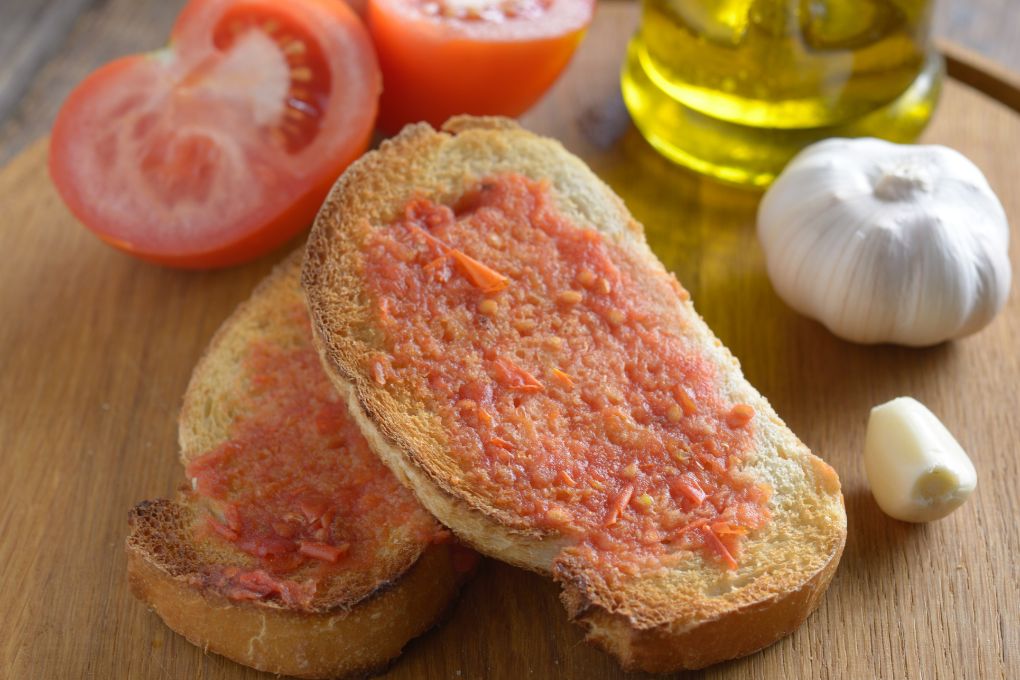
- Pa amb tomàquet — bread rubbed with ripe tomato, olive oil and salt. The cornerstone of every Catalan table.
- Esmorzar de forquilla — the “fork breakfast”, a hearty mid-morning meal of stews, sausage, beans and slow-cooked dishes.
- Bombas — Barceloneta’s contribution: a fried potato-and-meat ball with spicy sauce and aioli.
- Escalivada — smoky roasted peppers, aubergine and onion, dressed simply with olive oil.
- Fideuà — like paella, but with short noodles instead of rice. A Catalan coastal classic.
For a deeper list of small plates, see our guide to the 8 must-try tapas in Barcelona.
Pa amb Tomàquet: The Catalan Essential
What it is
Pa amb tomàquet is one of the simplest and most important things you can eat in Catalonia: toasted bread rubbed with ripe tomato, olive oil and salt. Sometimes garlic is rubbed on the bread first; sometimes not. Either way, it is not a side dish here. It is part of the grammar of the meal.
You will see it with Iberian ham, cheese, anchovies, grilled meat, escalivada or simply on its own. If you want to understand Catalan food, start with this.
Esmorzar de Forquilla: The Fork Breakfast
Why it matters
Esmorzar de forquilla literally means “fork breakfast”. It is a proper cooked breakfast, usually eaten mid-morning, built around stews, beans, sausage, tripe, seasonal vegetables or market dishes. It is not light, and it is not designed to be rushed.
This is one of the best ways to understand old-school Catalan eating: seasonal, hearty, local and deeply connected to market culture. It is also one of the traditions behind our Sant Antoni Market Tour.
Bombas, Bravas and Croquetas
Small plates with history
Barcelona has its own small-plate language. Bombas are one of the city’s most iconic bites: a fried potato-and-meat ball usually served with spicy sauce and aioli. Patatas bravas are everywhere, but the good ones are crisp, properly sauced and made with care. Croquetas can be classic, creamy and simple — or completely forgettable if you choose the wrong place.
These are the kinds of dishes that seem easy until you taste a good version. Then you understand why locals care where they order them.
Escalivada, Conservas and Market Vegetables
The quieter side of Catalan food
Not everything in Barcelona is fried or heavy. Escalivada — roasted peppers, aubergine and onion — is smoky, simple and deeply Mediterranean. You will often find it with anchovies, tuna, cheese or toasted bread.
Conservas, or preserved seafood, are also taken seriously here. Mussels, anchovies, sardines, cockles and tuna can be served straight from the tin in bars that know exactly what they are doing. It may look simple, but it is part of a long local food culture.
Fideuà and Seafood Classics
Beyond paella
Visitors often arrive looking for paella, but fideuà is the Catalan coastal dish you should know. It is cooked in a similar pan, but uses short noodles instead of rice, usually with seafood and often served with aioli.
Barcelona’s relationship with the sea also appears in grilled fish, seafood rice dishes, salted cod, anchovies and old fishermen’s recipes. The best versions are usually simple, seasonal and not over-decorated.
What to Drink With It
Catalan wine is a world of its own, and much of it rarely makes it onto wine lists abroad. Look for Cava from the Penedès, mineral-rich Priorat reds, crisp Penedès whites built on indigenous grapes like Xarel·lo and Garnatxa, and local reds from nearby regions.
And of course, vermut. In Barcelona, vermut is not just a drink. It is a noon ritual, usually served with an olive, something salty and a very good excuse to slow down before lunch.
Rather have a local do the navigating?
Explore our food toursBarcelona Food FAQ
Barcelona is known for Catalan specialities like pa amb tomàquet, esmorzar de forquilla, fideuà, escalivada, bombas, fresh seafood, tapas culture, local wines, cava and vermut.
Catalan cuisine has its own identity rooted in the Mediterranean, local markets and the seasons. While you will find familiar Spanish dishes like jamón and patatas bravas, Catalonia has unique traditions such as pa amb tomàquet, the fork breakfast, escalivada, calçots, fideuà and local wines.
Start with pa amb tomàquet, a plate of Iberian ham or Catalan cheese, a few small tapas, and a glass of vermut or local wine. A food tour on your first evening can also help you understand what to order for the rest of your trip.
Yes, but it helps to know where to go. Barcelona has excellent tapas, bodegas and small bars, but very touristy areas can be hit or miss. Look for places with short menus, local rhythm and dishes made with care.
That depends on the kind of food experience you want. El Born is good for tapas and wine, Sant Antoni for markets and local food culture, Gràcia for neighbourhood life, and Barceloneta for seafood. For a full area-by-area breakdown, read our guide to the best Barcelona neighbourhoods for food and drink.
Eat Barcelona like a local
Small groups. Guides born and raised in the city. Tapas, markets, wine, Catalan traditions and the food stories that make Barcelona different.
Book your Barcelona food tour