

Last updated: September 2026
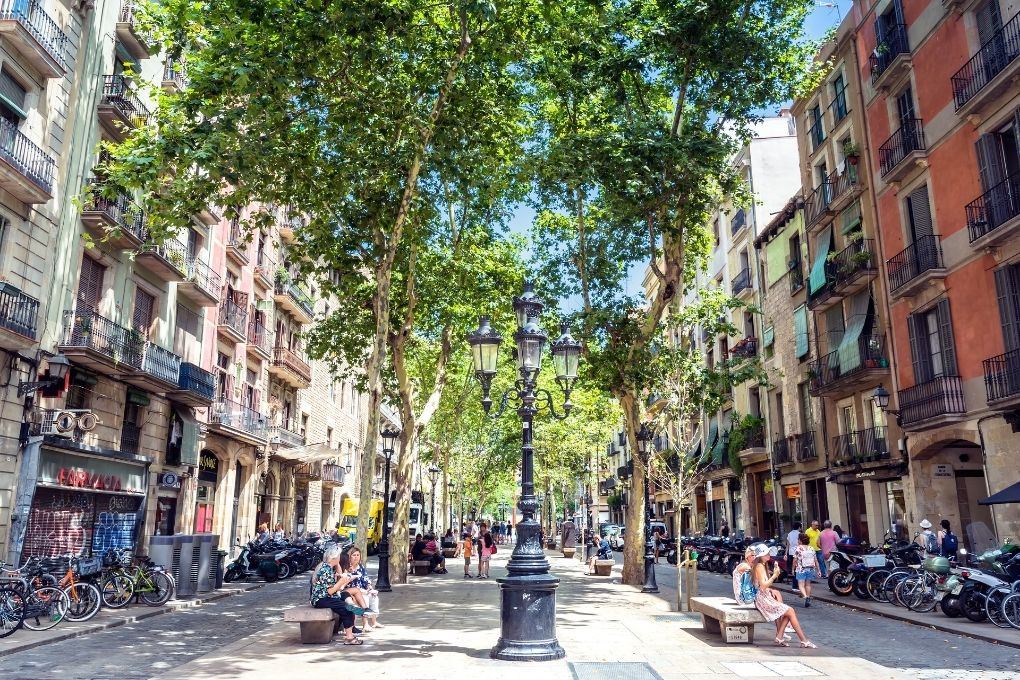
El Born is one of those parts of Barcelona where you can arrive with no real plan and still end up spending half a day wandering its streets. Medieval lanes, local bodegas, small shops, historic buildings, museums and some of the city's best-known food streets all sit within a compact area that is easy to explore on foot.
For us, El Born is also one of the best places to understand how Barcelona really works: old and new, local and international, history and everyday life all mixed together within a few streets.
This guide covers what to see, what to eat, when to visit and how to combine El Born with the rest of Barcelona.
Want to discover Barcelona through its food? Compare our small-group experiences through local neighbourhoods, markets and bodegas.
Explore Our Food ToursWhat Is El Born in Barcelona?
El Born is the name commonly used for the historic area around Passeig del Born, Santa Maria del Mar and the old Born market, on the eastern side of Barcelona's historic centre.
It sits between the Gothic Quarter, Parc de la Ciutadella and Barceloneta, which makes it easy to include in almost any day exploring central Barcelona.
The area is part of the wider historic neighbourhood of Sant Pere, Santa Caterina i la Ribera, but most visitors — and plenty of locals — simply refer to this section as El Born.
One reason we like walking here is that the neighbourhood still rewards wandering. You can leave the busiest streets, turn a corner and quickly find quieter squares, workshops, small bars and buildings that tell a very different story from Barcelona's large avenues.
What to See in El Born
El Born is compact enough to explore without rushing. You do not need to treat it like a checklist, but there are several places worth building your walk around.
Santa Maria del Mar
Santa Maria del Mar is one of the landmarks that defines this part of Barcelona. Built during the medieval period, the church sits at the heart of La Ribera and is surrounded by narrow streets that are ideal for exploring on foot.
A natural starting point for a walk through El Born.
Passeig del Born
Passeig del Born connects Santa Maria del Mar with the former Born market and remains one of the area's main meeting points.
During the day it works as a useful reference point for exploring the surrounding streets. Later in the day, terraces and bars give the area a much livelier atmosphere.
Do not just walk along the main promenade — explore the streets around it.
El Born Centre de Cultura i Memòria
The large iron market building at the end of Passeig del Born is now home to El Born Centre de Cultura i Memòria.
Beneath the structure are archaeological remains from Barcelona around the beginning of the 18th century, making it one of the most interesting places in the area for understanding the city's history.
Particularly worthwhile if you want more context than a simple walk through the neighbourhood.
Carrer Montcada & the Picasso Museum
Carrer Montcada is lined with historic buildings and is home to the Museu Picasso de Barcelona.
The museum focuses especially on Picasso's formative years and his relationship with Barcelona.
If you want to visit, check the official Museu Picasso website before going, particularly during busy periods.
One of the most interesting streets to include even if you are not visiting the museum.
Parc de la Ciutadella
Parc de la Ciutadella begins just beyond the Born market area, so it is very easy to add to your route.
After spending a couple of hours among narrow streets, restaurants and historic buildings, the park gives you a completely different side of central Barcelona.
An easy extension if you want to continue towards Arc de Triomf or the waterfront.
Eating and Drinking in El Born
Food is one of the main reasons we enjoy this part of Barcelona.
El Born has changed enormously over the years and you will now find everything from traditional bodegas to cocktail bars and international restaurants. That variety is part of the neighbourhood, but it also means it is worth choosing where you eat rather than simply stopping at the first terrace you see.
If you want something closer to local food culture, look for places serving simple tapas, conservas, cheeses, cured meats, vermut and Catalan wines rather than restaurants built around enormous tourist menus.
The best experience is often not one huge meal. Barcelona's traditional style of eating works perfectly here: stop somewhere for a drink and a tapa, walk a little further and try something else.
That is essentially the idea behind tapeo. We explain it in more detail in our local guide to tapeo in Barcelona .
Want to experience El Born rather than just walk through it? Our Tapas & Wine Tour explores El Born and the Gothic Quarter through local bodegas, traditional food and Catalan wine.
See Tapas & Wine TourWhat Tapas Should You Try in El Born?
There is no single list of foods that belongs exclusively to El Born, and we would be suspicious of anywhere trying to sell you one.
Instead, use the neighbourhood as a place to try some of the dishes and products that form part of Barcelona and Catalan food culture.
Pa amb tomàquet
Bread rubbed with ripe tomato and usually finished with olive oil and salt. Simple, but fundamental to Catalan food culture and a common companion to cured meats, cheeses and other tapas.
Local cheeses and cured meats
A good bodega or tapas bar is an easy place to discover Catalan cheeses, fuet and other cured products without turning lunch into a formal meal.
Conservas
High-quality preserved seafood is a classic part of Spanish bar culture. A tin arriving at the table might look simple, but good conservas are treated as a product in their own right rather than a substitute for fresh food.
Vermut
Vermut is much more than a drink. Going for vermut before lunch remains a social tradition, usually accompanied by olives, crisps, anchovies or other small bites.
For more ideas, see our full guide to the best tapas to try in Barcelona .
El Born or the Gothic Quarter?
You do not really need to choose.
El Born and the Gothic Quarter sit next to each other and are easy to combine on the same walk, but they feel different.
The Gothic Quarter contains some of Barcelona's most famous historic streets, Roman remains, Plaça Sant Jaume and the Cathedral area. It is often busier and is one of the first places visitors explore.
El Born mixes medieval streets with restaurants, bars, museums, independent shops and a more obvious evening atmosphere.
If you have time, start around the Gothic Quarter, cross Via Laietana and continue into El Born rather than treating them as two completely separate visits.
When Is the Best Time to Visit El Born?
El Born changes noticeably throughout the day.
Morning
Morning is a good option if you want to walk without the busier evening atmosphere. It also works well if you are planning to visit museums or continue towards Parc de la Ciutadella.
Lunch & Afternoon
This is a good time to combine sightseeing with lunch, tapas or a stop for vermut. The neighbourhood is active without necessarily feeling like an evening destination yet.
Evening
El Born becomes much busier in the evening and is one of the easiest areas to combine a walk with tapas and drinks.
For food and atmosphere, late afternoon into evening is our favourite time.
Is El Born a Good Area to Stay in Barcelona?
It can be, especially if you want to stay in the historic centre and prefer being surrounded by restaurants, bars and streets you can explore on foot.
The main trade-off is exactly what makes the area attractive: parts of El Born can remain busy into the evening.
If choosing a hotel, we would look carefully at the exact street rather than judging the whole neighbourhood together.
For a comparison with Eixample, Gràcia, Sant Antoni, Poblenou and other parts of the city, read our guide to where to stay in Barcelona .
How Long Do You Need in El Born?
Around two hours is enough for a relaxed walk through the main streets, Santa Maria del Mar, Passeig del Born and Carrer Montcada.
Allow half a day if you want to visit a museum, stop for food and continue into Parc de la Ciutadella or the Gothic Quarter.
El Born also works particularly well as part of a food-focused day in Barcelona because you can combine it with the Gothic Quarter, Barceloneta or nearby Santa Caterina.
If food is a priority during your trip, our guide to the best Barcelona neighbourhoods for food and drink will help you compare El Born with other areas of the city.
FAQ: Visiting El Born in Barcelona
Yes. El Born combines historic streets, Santa Maria del Mar, the Picasso Museum area, El Born Centre de Cultura i Memòria, local food and easy access to the Gothic Quarter and Parc de la Ciutadella.
El Born is known for its medieval streets, restaurants and tapas bars, Santa Maria del Mar, Passeig del Born, the Picasso Museum and El Born Centre de Cultura i Memòria.
Yes. El Born has a wide selection of bodegas, tapas bars and restaurants. The key is choosing places focused on good local products rather than simply stopping at the most tourist-oriented terraces.
Allow around two hours for a relaxed walk through the neighbourhood, or half a day if you want to visit a museum, stop for food and combine El Born with the Gothic Quarter or Parc de la Ciutadella.
Both offer different experiences. Mornings are quieter and work well for sightseeing, while late afternoon and evening are better if you want to combine exploring the neighbourhood with tapas, wine and Barcelona's bar culture.
Yes. El Born and the Gothic Quarter are separated mainly by Via Laietana and can easily be explored together on foot.
Discover El Born through Barcelona's food
Walk through El Born and the Gothic Quarter while discovering local bodegas, traditional tapas and Catalan wine with a born-and-raised Barcelona guide.
Explore Our Tapas & Wine Tour